

Exploring the World of UK Horse Racing: What Happens When the Races Are Not On?
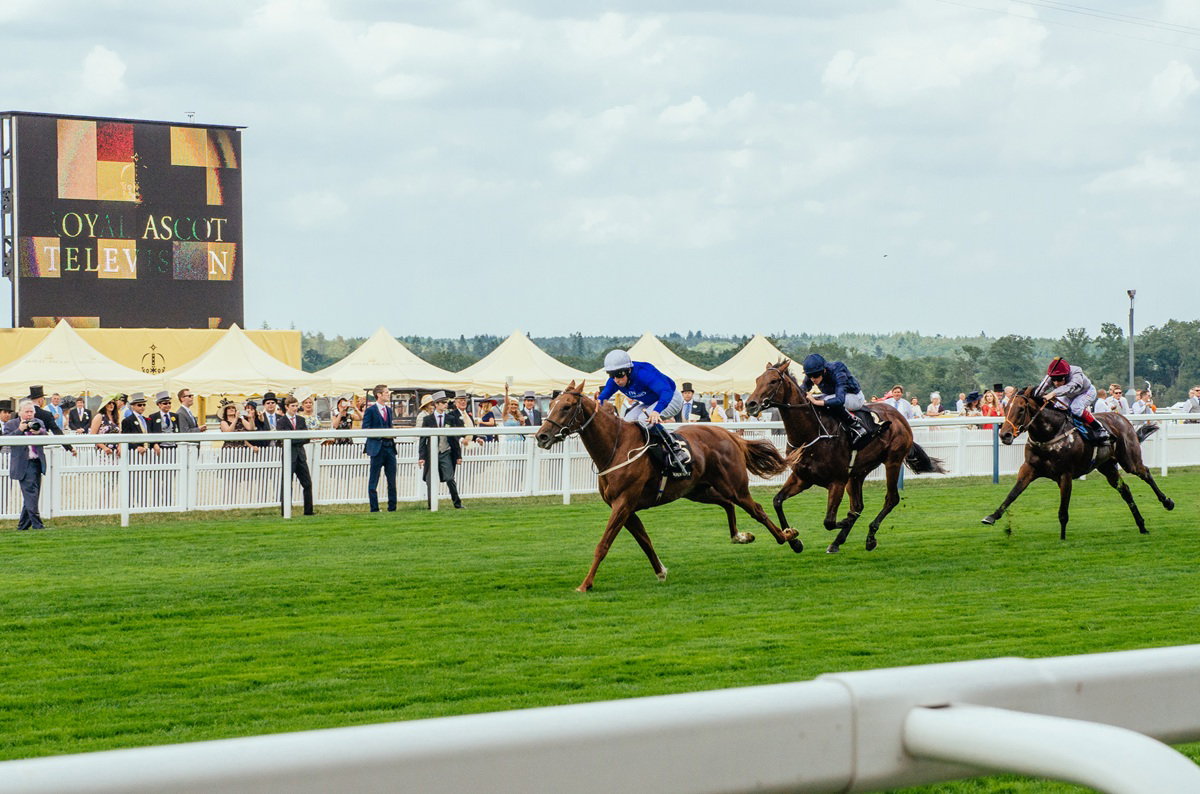
The excitement and thrill of UK horse racing have captivated audiences for centuries. With its rich history and vibrant culture, horse racing is more than just a sport; it’s a key aspect of British heritage. However, there are times when races are not on, whether due to weather conditions, operational decisions, or other unforeseen circumstances. During these times, bettors and fans alike seek ways to stay engaged. UK horse racing not on GamStop bookmakers not on GamStop horse racing provide an alternative avenue for enthusiasts to continue enjoying the betting experience even when traditional races are unavailable.
The Impact of Non-Racing Days
The absence of races can have a significant impact on the horse racing industry, affecting not only bookmakers and fans but also the horses, trainers, and owners involved. A day without races means a loss of potential revenue, not just for the bookmakers but also for the tracks, concessionaires, and the various businesses that thrive on race day attendance.
Furthermore, for horse owners and trainers, each race is a chance to showcase their thoroughbreds and potentially increase their value. When races are not on, opportunities for competition, testing form, and building reputation are diminished.
Reasons for Races Being Canceled or Postponed
Various factors can lead to cancellations in horse racing. Among them are:
- Weather Conditions: Rain, snow, or extreme temperatures can significantly affect track conditions, making it unsafe for horses to race.
- Health and Safety: Concerns over the health of horses or the track staff, such as outbreaks of illness, can lead to canceled events.
- Regulatory Issues: Sometimes, regulatory bodies may impose restrictions or conditions that lead to race cancellations.
- Economic Factors: Financial difficulties faced by racecourses can also result in fewer scheduled events.
How to Cope When Races Are Not On
For many, the thrill of placing a bet and the excitement of watching horses compete is a significant pastime. So what do fans do when races are off the table? Here are a few suggestions:
Engage with Virtual Racing
Virtual racing has gained popularity as a substitute for live racing. These computer-generated races allow fans to place bets and experience the thrill of racing without the need for actual horses on the track. Various platforms offer virtual racing around the clock, catering to the needs of bettors.
Explore Other Sports
Horse racing enthusiasts might find excitement in other sports betting opportunities. Football, rugby, and even eSports have burgeoned into competitive betting arenas, providing a chance to engage with different forms of gambling while waiting for the return of horse racing events.
Connect with Fellow Fans
Online forums and social media groups can help fans stay connected. Sharing tips, analyzing past races, and discussing horse racing strategies with fellow enthusiasts can keep the passion alive even when races are not on.
The Role of Bookmakers During Off Days
During off days, bookmakers have the task of maintaining engagement with their clientele. Innovative promotions, virtual event offerings, and focus on other sports help in keeping customers interested. Some may also refine their services to improve the experience for when the races do start again.
Offering Alternative Markets
Many bookmakers explore alternative markets during non-racing days. This could be in the form of novelty bets on events such as reality TV shows, political events, or even future sports matches. By offering varied betting opportunities, they can attract a broader audience.
Looking to the Future
The future of UK horse racing remains bright, despite occasional interruptions. Stakeholders are continuously exploring ways to enhance the spectator experience and pr
otect the welfare of the animals involved. The development of technology may present new opportunities for broadcasting and betting that could revolutionize the sport as we know it.
Advancements in Technology
Technology is making its mark on every industry, and horse racing is no exception. Live streaming services, improved betting platforms, and the usage of analytics are increasingly common. As these technologies evolve, they can create new avenues for engagement, even when live races are not taking place.
Conclusion
While the cancellation of horse races can be disappointing for fans and participants alike, it also presents an opportunity to explore alternative avenues of engagement. From virtual racing to engaging with fellow fans, there remains a wealth of experiences for those passionate about the sport. Ultimately, every off day paves the way for an even more riveting racing season ahead. The commitment of the industry to adapt, innovate, and thrive ensures that UK horse racing will endure, bringing unparalleled excitement to fans for many more generations.