
Debunking common myths about gambling What you need to know
Understanding the Basics of Gambling
Gambling is often misunderstood, with many people holding onto misconceptions that can deter them from enjoying the experience responsibly. At its core, gambling is about taking risks with the potential for reward, often in the form of monetary gain. While some view gambling as purely a game of luck, it’s crucial to recognize that many forms also involve strategy and skill. For instance, games like poker require a deep understanding of game theory and psychology, which can significantly influence outcomes.
Moreover, gambling has a rich history that reflects cultural attitudes towards chance and risk. From ancient dice games to modern-day online casinos, the evolution of gambling highlights its role as a form of entertainment and social interaction. Understanding this background can help demystify the activity and encourage a more informed approach to participation, whether in a physical casino or online.
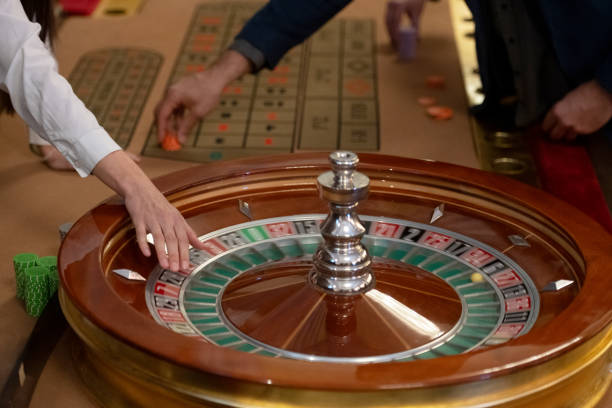
Ultimately, approaching gambling with a clear understanding of the rules and probabilities involved can lead to a more enjoyable experience. This knowledge equips players with the tools needed to make informed decisions, helping to dispel myths regarding gambling as merely an impulsive or reckless pursuit.
The Myth of “Due” Outcomes
One prevalent myth in gambling circles is the belief in “due” outcomes, where players assume that because a certain event hasn’t happened recently, it is more likely to occur soon. This belief is particularly common in games like slots, where players might think that a machine is due for a payout after a lengthy dry spell. However, each spin in such games is independent, governed by random number generators, making previous outcomes irrelevant to future spins.
This misconception can lead to significant financial losses, as players may chase their losses based on the false assumption that luck must eventually balance out. Understanding randomness and probability is essential for anyone looking to enjoy gambling responsibly. Recognizing that each game operates independently can help mitigate the urge to keep playing with the hope of recouping losses.
In reality, the odds remain the same regardless of past outcomes, and players should focus on a game’s inherent probabilities rather than flawed beliefs about “due” results. This understanding encourages players to approach gambling with a more logical mindset, leading to better decision-making and ultimately a more enjoyable experience.
The Illusion of Control in Gambling
Many novice gamblers believe they can exert control over outcomes through various strategies or rituals, often referred to as “gambler’s fallacy.” This phenomenon leads individuals to believe that their actions can influence random events, like choosing a lucky slot machine or performing certain rituals before placing bets. In reality, the outcomes in most gambling scenarios are determined by chance, making these beliefs unfounded.
Understanding the randomness of games is crucial for a healthy gambling experience. While some games, like blackjack or poker, allow for strategic decision-making, many others depend entirely on luck. Relying on personal rituals or superstitions can create an illusion of control, ultimately leading to frustration and disappointment when outcomes don’t align with expectations.
By acknowledging that many gambling results are beyond their control, players can better manage their emotions and expectations. This shift in mindset allows for a more rational approach to gambling, ensuring that enjoyment comes from the experience itself rather than from seeking to influence unpredictable outcomes.
The Myth of Winning Streaks
Another common myth is the belief in winning streaks, where players may think that after a series of wins, they are on a roll and should continue betting aggressively. While it’s true that many people experience winning streaks, it’s essential to understand that these are often temporary and based on chance rather than any sustained advantage. The nature of probability ensures that winning streaks will eventually be followed by losses.
This myth can lead to overconfidence, where players increase their bets beyond their means, believing that their luck will continue. Recognizing that gambling outcomes are cyclical can help individuals make more informed decisions about when to stop. Understanding the concept of variance—where short-term results can deviate significantly from long-term averages—can prevent reckless gambling behavior and promote healthier habits.
Additionally, acknowledging the unpredictability of gambling can foster a more sustainable approach to gaming. Players can enjoy the thrill of winning without falling prey to the false belief that they possess some unique ability to predict outcomes, ultimately leading to more responsible gambling practices.
Choosing Casea Casino for a Responsible Gambling Experience
For those who are intrigued by gambling and wish to explore it safely, offers a platform designed with both fun and responsible gaming in mind. With a wide array of games ranging from slots to table games and live dealer options, newcomers can experience various forms of entertainment in a secure environment. prioritizes user safety by employing stringent verification protocols and robust customer support, ensuring players feel comfortable and informed.
Moreover, provides valuable resources to help users understand responsible gambling practices. This includes clear information about game rules, odds, and responsible play limits. Players can access support for any gambling-related concerns, fostering a culture of safe gaming that empowers individuals to enjoy their experience responsibly.
In conclusion, is not just a gaming platform but a community focused on providing an enjoyable and secure gambling experience. By debunking common myths and promoting responsible gaming, stands out as a premier destination for both beginners and seasoned players alike.