
The 7 Best eSIMs for Travel in 2025—Picked by a Road Warrior
Tired of hunting for Wi-Fi or wrecking your budget with roaming fees the second you land? The best eSIM for travel is a digital SIM that lets you buy a data plan for your destination and install it instantly via a QR code, keeping your phone number active. You simply switch it on in settings, and you get reliable, local-rate connectivity without swapping physical cards or juggling multiple phones. For most trips, it’s the simplest way to stay online for maps, rideshares, and sharing photos—just pick a plan, scan, and go. Best eSIM for travel means skipping the airport SIM shop entirely and getting online before you even clear customs.

What Exactly Is a Travel eSIM and Why Do You Need One?
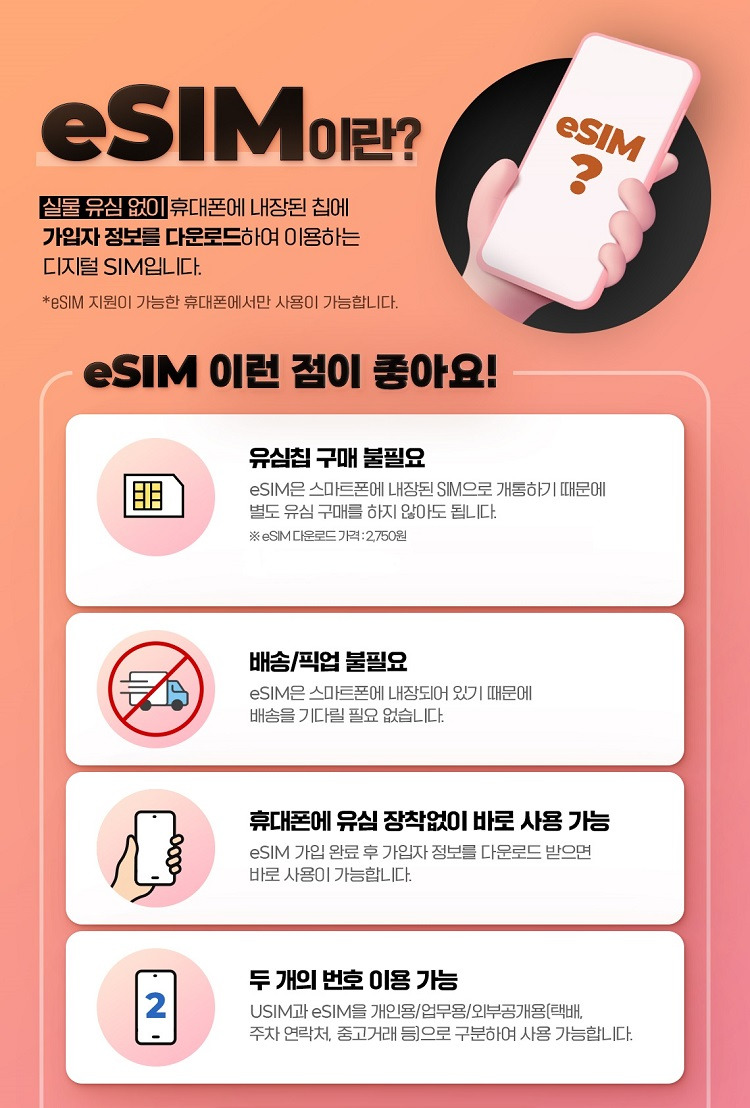
A travel eSIM is a digital SIM profile you install on your unlocked smartphone before or after departure, replacing the need for a physical plastic SIM card in your device. It connects you to a local network in your destination country via a data-only plan, which you purchase and activate remotely through a provider’s app or website. For frequent travelers, the best eSIM for travel eliminates the hassle of hunting for a local SIM at an airport kiosk, avoids expensive roaming charges from your home carrier, and lets you manage multiple plans (e.g., a regional data BazTel pack plus a global backup) directly on your phone’s settings. You need one because it gives you instant connectivity, transparent pricing, and the freedom to switch operators without uninstalling anything.
A key insight is that a travel eSIM only works if your phone is eSIM-compatible and carrier-unlocked, so verify these two details before buying any plan.
It’s a practical, frictionless way to stay online abroad, especially when comparing data allowances and coverage maps to pick the best option for your itinerary.
How a Digital SIM Card Replaces Your Physical One While Abroad
When you land abroad, your physical SIM becomes a liability—swapping cards risks losing it, and roaming fees punish your data use. A travel eSIM eliminates this by letting you **switch to a local network digitally** through a QR code or app scan before you even board. Your phone then holds both your home number and a temporary data plan, so you keep your primary line active for calls and texts while routing internet through the new profile. You activate the digital card instantly, without visiting a store or hunting for a paperclip, and you can reload or switch providers mid-trip by downloading another profile. This removes the physical swap entirely—your device stays sealed, your original SIM stays safe, and your connectivity remains continuous from touchdown to takeoff.
The Biggest Benefits: Instant Connectivity, No Roaming Fees, and Total Flexibility
The biggest wins with a travel eSIM come down to three things that make your trip smoother. You get instant connectivity the moment you land, because your phone automatically latches onto a local network without hunting for a store or fiddling with physical SIMs. There are no roaming fees from your home carrier, so you won’t return to a shocking bill—instead, you pay a flat, predictable rate for data. And you get total flexibility, switching between plans or countries on the fly, even topping up mid-trip from your phone.
- Activate before departure and connect as soon as the plane door opens.
- Pay one clear price—no surprise daily roaming charges.
- Swap data plans anytime, even hopping across borders seamlessly.
This combo makes travel feel effortless, since you’re always online, in control, and never overpaying.
How to Choose the Right Travel eSIM for Your Specific Trip
Choosing the right travel eSIM begins with mapping your destination’s coverage against your itinerary, as a regional plan often beats a global one for cost and speed. For a single country, a local carrier eSIM ensures the best network priority, while multi-stop trips favor a regional package to avoid re-provisioning. Check your phone’s compatibility with eSIM technology and whether it is carrier-locked, then compare data allowances against your actual habits—streaming and navigation consume far more than messaging. Prioritize a plan with a flexible validity window that covers your exact travel dates, and verify if the provider offers tethering, since many restrict hotspot use.
For short city breaks, a small data pack with a reliable network trumps unlimited data on a congested one.
Finally, read the activation instructions beforehand; an eSIM requiring app-based setup may fail offline, so download the profile while you still have Wi-Fi.
Coverage Areas That Matter: Regional Plans vs. Global Data Packs
Choosing between regional plans and global data packs hinges on your actual route, not marketing maps. A regional plan, like Europe or Asia-Pacific, delivers superior coverage across neighboring countries at lower per-GB costs, ideal for multi-stop itineraries within one zone. Global packs offer broader reach but often throttle speeds in less-popular destinations and cost more. First, map every transit country and layover. Second, verify each destination appears on the plan’s native network list, not just partner roaming. Third, compare active days—a 30-day global pack may expire before a 14-day regional trip ends. Finally, check if your primary destination is a regional hub; if not, a global pack prevents surprise dead zones.
Data Allowance, Speed, and Pricing: Matching the Plan to Your Usage Habits
Your ideal travel eSIM pricing hinges on a brutal, honest audit of your own usage. For data allowance, estimate daily consumption: light users (maps, messaging) need 1GB per day, while streamers or remote workers should budget 3–5GB to avoid top-up anxiety. Speed matters less for browsing than for video calls or large uploads; prioritize 5G plans only if your tasks demand it, otherwise LTE/4G saves money. Compare per-GB cost across regional versus global plans—regional often slashes price for multi-country trips. Choose a plan with a buffer for unexpected hotspots, but avoid buying excess data you won’t burn. A usage audit prevents overpaying for speed you don’t need.
Match the data cap to your daily routine, accept 4G speeds unless tasks require 5G, and pay per GB based on a realistic usage audit, not marketing hype.
Step-by-Step Guide to Setting Up Your Travel eSIM Before You Fly
To avoid connectivity chaos abroad, install your travel eSIM before you fly—ideally 24 hours prior, while on Wi‑Fi. First, confirm your phone is carrier‑unlocked and eSIM‑compatible (iPhone XS or newer, most recent Androids). Then, purchase a plan from a top‑rated provider like Airalo or Holafly, selecting a regional or global package that matches your destination’s coverage. After checkout, you’ll receive a QR code or activation link via email—do not scan it at the airport, as you’ll need stable internet. Open Settings > Cellular > Add eSIM, scan the code, and label it “Travel”. Keep your primary line active for calls but disable its data roaming in the cellular settings to prevent bill shock. Finally, run a quick speed test and send a test message before departure.
The key is to activate the eSIM but keep it in “off” mode until you land—this preserves your activation window and guarantees instant service the moment you switch it on.
If you face issues, most providers’ chatbots can troubleshoot via chat support to ensure a seamless first connection overseas.

Checking Phone Compatibility and Unlocked Status
Before purchasing any travel eSIM, verify that your smartphone supports eSIM technology, typically found on iPhone XS or newer, Google Pixel 3 or newer, and recent Samsung Galaxy models. Then, confirm your device is carrier-unlocked by checking Settings → General → About → Carrier Lock, which must read “No SIM restrictions.” A locked phone will reject a foreign eSIM profile, rendering it useless abroad. Next, test that your phone’s software is updated, as outdated firmware can fail to recognize new eSIM profiles. Finally, review your current carrier’s policy—some prepaid plans lock eSIM functionality even on unlocked hardware. Checking phone compatibility and unlocked status takes five minutes but prevents airport activation failures.
Compatibility and unlock status are non-negotiable prerequisites; verify both in device settings before buying your travel eSIM.
Installing the eSIM Profile: QR Codes, Manual Entry, and Activation Timelines
Once you’ve bought your travel eSIM, installation is usually a snap. Most providers email a QR code for instant eSIM activation, which you scan from your phone’s cellular settings—just point, tap, and it’s saved. If the QR fails or you’re using a laptop, switch to manual entry: punch in the SM-DP address and activation code exactly as shown, double-checking uppercase letters. Pay attention to activation timelines because they vary wildly—some eSIMs go live the second you scan, while others require you to set a specific “start date” during checkout. If you activate early, the clock ticks down before you land, so sync installation to your departure day. Afterward, keep airplane mode on until you’re at your destination to avoid accidental roaming charges.
Scan the QR or type in the code manually, but always match your activation timeline to your flight schedule to avoid wasting days.
Practical Tips for Getting the Most Out of Your Travel Data Plan
Before you land, download offline maps and message apps—your eSIM’s data vanishes fast if background refresh runs wild. I once burned a 5GB regional plan in three days because my photo library synced overnight; now I set app updates to Wi-Fi-only and disable auto-play on social feeds. Use your eSIM’s companion app to monitor daily usage, then switch your phone’s hotspot to share data with a friend only for quick lookups—not streaming. For navigation, pre-load routes while on hotel Wi-Fi, and keep your physical SIM turned off so roaming never kicks in. Q: How do I stretch a 1GB daily eSIM? A: Turn on data saver, stream music at low quality, and use text-based transit updates instead of live maps.
Avoiding Data Drain: Managing Background Apps and Hotspot Usage
Your eSIM data vanishes fast when apps silently refresh in the background, so taming background app usage is your first defense against data drain. Before you hop on a plane, dive into your phone’s settings and disable background refresh for social media, email, and news apps—you’ll still see updates when you open them. For hotspot sharing, remember that every connected device burns your pool simultaneously; set a strict data limit on your eSIM dashboard if available, and turn off auto-upload for photos on any laptop or tablet. Pausing a video conference for a moment when you step into a dead zone can save you from a massive usage spike once you reconnect. Keep your hotspot on a timer—switch it off the second you’re done, because idle connections keep sipping precious megabytes.
Troubleshooting Common Connectivity Issues When You Land

Upon landing, if your eSIM shows no service, first toggle airplane mode off and on to force a network re-registration. If that fails, manually select your carrier in your device’s network settings, as automatic selection often lags at foreign airports. For persistent “No Signal,” verify that your eSIM’s APN settings match your provider’s instructions—a single missing character blocks data entirely. Restarting your phone after these adjustments resolves most conflicts. Also, disable Wi-Fi calling, which can override cellular configs. If roaming still fails, reinstall the eSIM profile via QR code using local airport Wi-Fi. This sequence reliably fixes immediate post-landing eSIM activation failures without contacting support.
Toggle airplane mode, manually choose the network, verify APN settings, and reinstall the profile if necessary—this fixes nearly all landing-day connectivity issues.
What Top-Rated Travel eSIMs Have in Common (and What Sets Them Apart)
Top-rated travel eSIMs share a core of instant QR activation, multi-country regional coverage, and pay-as-you-go data bundles that beat roaming fees. They all let you keep your home number active for iMessage or WhatsApp while a second line carries data. Yet they split on the details that matter mid-trip: Airalo excels with budget regional packs for Southeast Asia, while Holafly’s unlimited plans shine for video-heavy navigation in Europe. The real differentiator is support—Airalo’s chat can stall for hours, but Jetpac’s real-time agents have rescued me at 2 AM in a Bangkok taxi. *What’s the #1 feature that decides the best eSIM for travel?* It’s not price—it’s whether the provider refills or resets your plan automatically when you cross a border, because a dead connection in transit is the fastest way to ruin a good story.
Comparing Customer Support, Refund Policies, and Multi-Trip Options
When narrowing down the best eSIM for travel, comparing how brands handle problems makes a real difference. Top providers offer 24/7 live chat, but response times vary—some reply in minutes while others take hours. Refund policies also split the pack: the most flexible allow full refunds on unused data before activation, whereas stricter ones only credit your account for future purchases. Don’t overlook multi-trip options, either—plans covering multiple countries beat buying separate eSIMs, but check whether the regional package resets data daily or per total trip length. A consumer-friendly provider balances quick support, fair refunds, and flexible regional coverage.
Compare support speed, refund leniency, and whether multi-country data counts per day or per journey to pick the best eSIM for travel.
Value-Added Extras: Unlimited Plans, Top-Up Capabilities, and Multi-Country Flexibility
The best travel eSIMs stand out through multi-country flexibility, letting you activate a single plan across dozens of destinations without swapping SIMs. Unlimited plans remove data anxiety, though check fair-use thresholds before heavy streaming. Top-up capabilities are a lifeline—when your initial allowance runs dry, instant balance additions keep you connected mid-trip rather than forcing a new purchase. Regional bundles often beat single-country options for itineraries spanning borders, while flexible validity windows let you align coverage with actual travel days.
- Top-ups apply immediately, often via app or QR code, with no new activation needed.
- Unlimited tiers typically throttle speeds after a daily high-speed cap, not a hard cutoff.
- Multi-country plans update coverage automatically as you cross borders, no manual switching.
- Unused data usually rolls over only if you extend the same plan before expiry.
Frequently Asked Questions About Switching to an eSIM for Your Next Journey
When choosing the best eSIM for travel, the most common question is whether your phone is compatible—most recent models support it, but check your settings for “add eSIM” before leaving. Another frequent concern is whether you’ll lose your original number; you won’t, as your physical SIM remains active for calls and texts while the eSIM handles data. Travelers also ask about installation timing—install and activate the eSIM before departure to avoid roaming fees at the airport. Coverage worries are natural, but top providers use local networks, ensuring seamless switching. Finally, people wonder about troubleshooting; if data fails, toggling airplane mode or re-scanning the QR code solves 90% of issues. Pick a plan with clear data limits and 24/7 support for stress-free connectivity.
Can I Keep My Regular Number Active While Using a Travel eSIM?
Yes, you can keep your regular number active while using a travel eSIM, provided your phone supports dual SIM functionality (two active profiles simultaneously). Your physical SIM or primary eSIM remains connected for calls and SMS, while the travel eSIM handles data. To avoid unexpected roaming charges, set your primary line to “off” for cellular data and enable “data switching” to the travel eSIM. Keeping your regular number active while using a travel eSIM is ideal for receiving bank verification codes or WhatsApp calls, but note that voice/SMS on the primary line still incur standard roaming fees unless you disable them.
Q: Can I keep my regular number active while using a travel eSIM?
A: Yes, but you must manually select the travel eSIM for data; your primary line stays active for calls and texts, though roaming rates apply to those services.
What Happens If I Run Out of Data in the Middle of My Trip?

If you run out of data mid-trip, your eSIM won’t cut off your voice or SMS, but you’ll lose all mobile internet, leaving maps, translation, and ride-hailing apps unusable. Most providers, like Airalo or Holafly, instantly block further usage until you top up via their app or website, requiring a Wi-Fi connection to repurchase. To avoid a dead zone, check your remaining balance in the eSIM dashboard daily, and enable low-data mode alongside offline map downloads. Emergency top-up via local Wi-Fi is your only lifeline, so save the provider’s app and a secondary SIM’s hotspot as a fallback. If you anticipate heavy use, buy a larger initial pack rather than risking a mid-journey lapse. For a quick fix:
- Find any free Wi-Fi (hotel, café, airport lounge).
- Log into your eSIM provider’s portal and select a new data pack.
- Confirm payment; the new data activates immediately without switching physical cards.